Wedding flowers for Cloudesley Road venues in Tufnell Park
Posted on 21/10/2026
Choosing Wedding flowers for Cloudesley Road venues in Tufnell Park is not just about picking pretty blooms. It is about making sure your flowers suit the venue, the light, the season, the pace of the day, and the kind of atmosphere you want guests to feel the moment they walk in. On Cloudesley Road, where the setting can feel intimate, elegant, and very London all at once, the right flowers do a lot of quiet work in the background.
Maybe you are planning a small ceremony with a handful of people and want something soft and refined. Or perhaps you need a fuller floral look that can carry through from aisle to reception without feeling overdone. Either way, the choices matter more than most couples expect. The good news? Once you understand the basics, it becomes much easier to decide what is worth spending on, what can stay simple, and how to make your flowers feel beautifully "you".
Below, you will find a practical guide to style, planning, timing, common mistakes, and smart choices for Cloudesley Road wedding venues in Tufnell Park. No fluff. Just the useful stuff, with a few honest pointers from real-world experience.
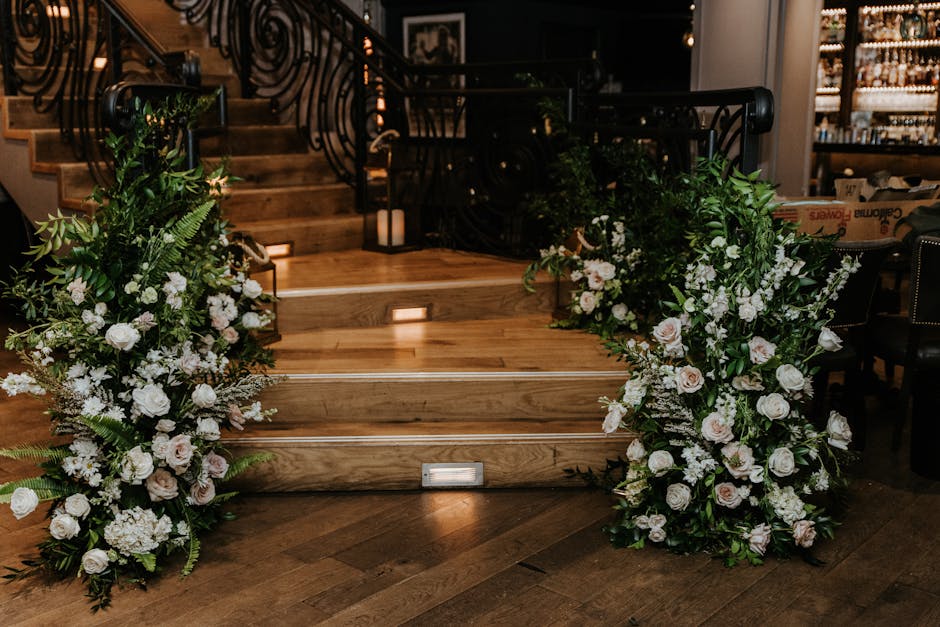
Why Wedding flowers for Cloudesley Road venues in Tufnell Park Matters
Flowers set the tone before the vows even begin. In a venue on or near Cloudesley Road, the room may already have a distinct feel: period features, bright windows, a modest footprint, or a layout that asks you to be selective rather than sprawling. That is exactly why floral planning matters. The wrong arrangement can feel bulky, distract from the room, or clash with existing decor. The right one makes the venue feel complete.
There is also a practical side. Wedding flowers are not just "decor". They affect movement, photography, guest comfort, and how the day flows from one moment to the next. A bouquet that looks stunning in a close-up may be awkward to carry. A table arrangement can look beautiful until it blocks conversation. You get the idea.
Cloudesley Road venues in Tufnell Park often suit a considered approach: elegant, intentional, and scaled to the space. That does not mean plain. Far from it. It means choosing flowers that work with the venue rather than fighting it. When that balance is right, the whole event feels calmer and more polished.
Expert summary: The most successful wedding florals in this part of North London are usually the ones that respect the venue's proportions, support the photography, and feel cohesive from bouquet to table styling. Simple? Yes. Easy? Not always.
How Wedding flowers for Cloudesley Road venues in Tufnell Park Works
The process usually starts with the venue itself. Before you think about roses, orchids, or trailing greenery, look at what the space already gives you. Is the room airy or compact? Warm-lit or daylight-heavy? Neutral or detailed? A floral design should respond to those features, not ignore them.
A good florist will usually ask about:
- your venue and ceremony layout
- the size of the bridal party
- your colours, dress style, and overall theme
- the season and preferred flower types
- delivery timing and any access restrictions
- where each arrangement will be placed on the day
That last point matters more than people realise. A bridal bouquet, for example, needs to look good in hand, not just in a vase. Buttonholes need to stay neat for hours. Table pieces need to survive conversation, candles, glasses, and maybe the odd last-minute seating change. Weddings are lovely, but they can be a bit chaotic too.
In practical terms, the floral plan usually comes together in layers: personal flowers first, then ceremony flowers, then reception styling. Some couples use one coherent collection across all three; others mix a statement bouquet with much simpler venue florals. Both can work well. The key is consistency.
If you are exploring a broader wedding range, it can help to look at a dedicated wedding collection and then refine from there. For couples wanting a full package with coordinated pieces, options such as an all-in-one wedding collection can make the planning process feel far less messy.
Key Benefits and Practical Advantages
Good wedding flowers do more than decorate. They create rhythm. They tell the eye where to look. They soften hard edges. They make photos feel richer without overpowering the scene. That is the real value, and it is why the best floral decisions tend to be the simplest ones made with care.
- They make the venue feel tailored. Even a familiar room can feel newly special with the right colour palette and textures.
- They improve your photographs. Flowers frame faces, add depth, and stop images feeling flat.
- They help tie the whole wedding together. Bouquet, buttonhole, bridesmaid flowers, and table pieces can all speak the same visual language.
- They reduce visual clutter. Thoughtful floral styling can replace the need for lots of extra decor.
- They create mood instantly. Romantic, modern, relaxed, classic, seasonal - flowers do this very quickly, and quite brilliantly really.
There is also a budget advantage that couples sometimes overlook. A carefully planned floral scheme can look more expensive than it is, because it uses the right flowers in the right places. You do not always need more stems. Often you need better placement, a tighter palette, and a couple of statement moments.
For example, a single standout bridal bouquet paired with streamlined ceremony flowers and elegant table arrangements can feel much more luxurious than scattering flowers everywhere. It is a bit like styling a room: the spare corners matter.
Who This Is For and When It Makes Sense
This topic is especially relevant if you are marrying at a venue on Cloudesley Road, but it also applies if you are hosting a reception nearby and want florals that suit the area's character. If your wedding is small to medium in size, or if your venue has more architectural personality than open floor space, floral choices need a bit of thought. More than usual, perhaps.
It makes sense for:
- couples planning an intimate London wedding
- brides and grooms wanting flowers that fit a specific venue style
- those looking for elegant but not overblown arrangements
- anyone coordinating multiple floral items across ceremony and reception
- couples who care about colour matching and photography
It is also helpful if you are working to a tighter schedule. Cloudesley Road weddings may involve limited venue access, shared loading spaces, or short setup windows. In that case, your flower plan needs to be realistic. Not less beautiful. Just more practical.
Truth be told, many couples only realise this once they start listing the moving parts: arrival times, dress changes, photos, registrar timing, dinner service. Flowers sit inside that bigger puzzle. They should support the day, not add pressure.
If you are still deciding on a florist, browsing a local florist in Tufnell Park N7 can help you understand what is likely to work in this area and which styles are realistic for your venue.
Step-by-Step Guidance
1. Start with the venue and timings
Before anything else, confirm the venue setup window, delivery access, and when each floral piece needs to be in place. On a busy wedding day, ten minutes can disappear faster than you think. If flowers must be installed before guests arrive, say so early.
2. Choose the floral "job" of each item
Ask what each arrangement is meant to do. A bridal bouquet is personal and visible in photos. Ceremony flowers frame the moment. Table flowers create atmosphere. Buttonholes and corsages add continuity. Once each item has a purpose, choices become clearer.
3. Pick a palette before you pick varieties
It is tempting to begin with flower names. But colour and texture usually matter first. For Cloudesley Road venues, soft whites, blush tones, greens, creams, and muted pastels often work beautifully; richer tones can look lovely too, especially in evening light or autumn settings. A good palette is the backbone.
4. Balance statement pieces with supporting flowers
A large bridal bouquet or focal ceremony piece can carry a lot of the visual weight. Supporting flowers should not compete. They should echo. Think of them as harmonies, not soloists. That sounds a bit poetic, but it is true.
5. Confirm vase, mechanics, and placement details
Ask how the flowers will be displayed. Low arrangements, bud vases, foam-free installations, tied bouquets, pedestal pieces - these all behave differently. If the venue tables are small, for example, a low arrangement may be more practical than a tall one.
6. Schedule delivery with enough breathing room
Wedding mornings can run slightly off-script. Actually, they usually do. Allow a buffer for traffic, access delays, or a bridesmaid who needs one more hairpin. Flowers should arrive with time to spare, not at the exact second everyone is waiting.
7. Review the final plan one more time
The final check should cover quantities, names, addresses, colours, and any substitutions. Seasonal flowers can shift. A sensible florist will explain this in plain English and suggest alternatives if needed.
If you want a simpler route, a curated product such as wedding bridal bouquets can save time while still looking polished. And if you are building out the bridal party styling too, bridesmaid bouquets help create a clean, cohesive look.
Expert Tips for Better Results
Here is the part that saves people money, stress, and a few sighs on the morning of the wedding. Small choices make a big difference.
- Work with the venue's light. Pale flowers glow in daylight-heavy rooms; richer shades can add depth in dimmer settings.
- Keep the bouquet size manageable. It should photograph well but still feel comfortable after an hour or two.
- Choose one main flower story. Too many competing varieties can make the design feel busy.
- Use texture to create interest. Roses, lisianthus, orchids, and greenery can be mixed in ways that feel refined, not crowded.
- Think about the exit plan. What happens to the flowers after the ceremony? Can they be moved to reception tables? Reused? Great, if so.
- Plan for weather and season. A March wedding and an August wedding are different beasts. Flowers behave differently too.
One useful trick is to bring in a subtle echo of the bouquet in the table styling or buttonholes. It does not need to be exact. In fact, exact can look a bit stiff. A softer repeat of colour or shape feels more natural.
And if you are unsure about colour direction, browsing a few standout designs in the luxury flowers range can help you identify what feels right visually before you commit to a full plan.
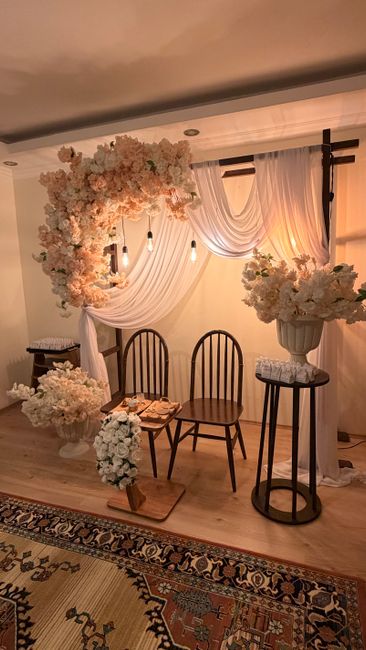
Common Mistakes to Avoid
Most floral problems are avoidable. That is the good news. The less-good news is that they usually happen because couples fall in love with a picture and forget the practical bits. Easy enough to do, to be fair.
- Choosing flowers without measuring the space. A gorgeous design can still be wrong for a small room.
- Ignoring setup timing. If arrangements arrive too early or too late, the day gets complicated quickly.
- Overfilling the tables. Guests need to talk, pass plates, and see one another.
- Mixing too many colours. Unless you are intentionally going bold, a tighter palette usually looks better.
- Forgetting the bridal bouquet's weight. Looks matter, yes, but so does comfort.
- Not planning flower reuse. Ceremony flowers can often move to the reception. Why let them sit in a corner?
- Leaving buttonholes and corsages to the last minute. These little pieces seem minor until they are missing.
A very common mistake, especially in London venues, is underestimating access. Narrow doors, stairs, busy streets, and short unloading windows are all part of the game. It is not glamorous, but it matters.
Tools, Resources and Recommendations
You do not need a huge toolkit to plan wedding flowers well, but a few practical tools make life easier.
- A mood board with colour references, bouquet shapes, and venue photos
- A guest table plan so your florist understands where centrepieces will sit
- Venue measurements for aisles, tables, and display points
- A final timings sheet showing access windows, ceremony time, and photographer schedule
- A flower preference list with any allergies, dislikes, or must-have blooms
For product inspiration, the site's wedding-focused items are useful because they cover the key pieces most couples need. For example, wedding table arrangements can help you think about the reception layout, while buttonholes keep the groom and party styling consistent.
If you are looking for a simple but elegant family of options, a collection such as White Wonders Wedding Collection can be a good reference point for a classic, refined direction. For something a bit warmer and more romantic, Pure Romance Wedding Collection is another style cue worth exploring.
You can also use the broader site pages for reassurance around ordering and service expectations. The delivery information, guarantees, and returns and refund policy pages are useful reading before you finalise anything, especially if your schedule is tight.
Law, Compliance, Standards, or Best Practice
Wedding flowers are not a heavily regulated product in the way some services are, but there are still sensible best practices worth following. The main concern is reliability: correct ordering, clear expectations, safe delivery, and honest communication if flowers need to be substituted because of seasonality or supply.
For venue work, the practical standards are straightforward. Florists should respect venue access rules, delivery times, and any restrictions on fixtures or surface protection. If the venue asks for trays, water-safe containers, or no loose petals in specific areas, that should be followed. Sometimes those details feel a bit fussy in the planning stage, then suddenly they are very important on the day.
It is also sensible to think about flower care and handling. Fresh stems need water, cool storage where possible, and careful transport. If you are moving arrangements between ceremony and reception, ask how long they can sit out comfortably. A florist should be able to explain that without jargon.
For sustainability-minded couples, the best practice is to ask about reusable mechanics, local sourcing where possible, and whether arrangements can be designed to move from one part of the day to another. The sustainability information page can also be a helpful reference if you want to make more thoughtful choices.
Options, Methods, or Comparison Table
Different wedding flower approaches suit different Cloudesley Road venues. Here is a practical comparison to help you narrow the field.
| Approach | Best for | Strengths | Watch-outs |
|---|---|---|---|
| Minimal bouquet-led styling | Small ceremonies, intimate venues | Elegant, manageable, budget-friendly | Can feel sparse if the room needs more presence |
| Balanced ceremony and table design | Medium weddings, reception rooms | Cohesive, polished, flexible | Needs careful budgeting across several pieces |
| Statement floral feature | Photo-led weddings, focal entrances, larger rooms | High visual impact, memorable photos | Can overwhelm smaller spaces if not scaled correctly |
| Collection-based package | Couples who want simplicity | Easy to coordinate, consistent style | Less room for highly bespoke tweaks |
If you want a one-stop way to keep things aligned, collection-led options like The Perfect Match Wedding Collection or Forever Together Wedding Collection can reduce decision fatigue. That alone has real value in the final weeks before a wedding. Honestly, decision fatigue is a sneaky little thing.
Case Study or Real-World Example
Here is a realistic example from the kind of wedding planning situation we often see in this area. A couple was arranging a late-spring ceremony at a compact Cloudesley Road venue and wanted the room to feel romantic without hiding the architecture. They had a soft colour palette in mind, but they were nervous about making the tables too crowded.
Instead of loading every surface with flowers, the design was kept focused. The bridal bouquet used a mix of soft whites and blush tones. Buttonholes were simple and neatly matched. Ceremony flowers were placed where they would be seen in photographs and then moved to the reception so they worked twice. Table styling stayed low, which kept sightlines open and made conversation easier.
The result felt calm, thoughtful, and far more expensive than it actually needed to be. The room looked decorated, not overloaded. And, perhaps most importantly, nothing got in the way of the people.
That is often the sweet spot for wedding flowers in Tufnell Park: enough presence to feel special, enough restraint to let the venue breathe.
Practical Checklist
Use this before you confirm your wedding flowers. It is simple, but it catches a lot.
- Have I confirmed the venue's access times and delivery rules?
- Do I know where each floral piece will be placed?
- Is my colour palette clear?
- Have I chosen a bouquet size that feels comfortable to hold?
- Do I know which flowers must be fresh on the day and which can be reused?
- Have I included buttonholes, bridesmaid flowers, and table arrangements if needed?
- Have I checked for any allergies or flower dislikes?
- Do I have a backup plan if a bloom is unavailable?
- Have I agreed on final quantities and contact details?
- Do the flowers suit the venue scale, not just my inspiration photos?
Quick takeaway: start with the venue, choose a strong colour palette, keep arrangements scaled to the space, and reuse flowers wherever you reasonably can. That simple approach usually delivers the best mix of beauty and value.
Conclusion
Getting Wedding flowers for Cloudesley Road venues in Tufnell Park right is really about balance. Balance between style and scale. Between romance and practicality. Between what looks beautiful in a photo and what works on the actual day. Once you think that way, decisions become much easier.
There is no single perfect flower recipe for every venue on Cloudesley Road. That is the point. The best choice is the one that suits your space, your schedule, and the feeling you want your wedding to have. Soft and understated, bold and layered, classic and crisp - all of those can work if they are planned with care.
If you are still deciding, take a breath, look at the venue again, and let the space guide you. The right flowers will not shout. They will simply make everything feel more complete. And that, in the end, is what people remember.
Get a free quote today and see how much you can save.
Frequently Asked Questions
What flowers work best for Cloudesley Road wedding venues in Tufnell Park?
Soft romantic flowers, classic roses, lisianthus, orchids, and seasonal mixed blooms often work well because they suit both intimate rooms and more elegant spaces. The best choice depends on the venue's light and layout.
How far in advance should I book wedding flowers?
It is wise to book as early as possible, especially if your wedding is in a busy season. Even if you are not fully sure of every detail yet, securing the florist early gives you more choice and less stress later.
Can wedding flowers be reused from the ceremony at the reception?
Yes, in many cases they can. Ceremony arrangements can often be moved to table areas, entrance spaces, or the top table. This is one of the simplest ways to stretch value without sacrificing style.
How do I keep wedding flowers within budget?
Choose a tighter colour palette, focus on high-impact areas, and reuse arrangements where possible. A smaller number of well-placed designs usually looks better than lots of scattered flowers.
What should I bring to a florist consultation?
Bring venue photos, a rough guest count, colour ideas, your dress or outfit style, and any flower preferences or dislikes. If you have a timetable for the day, that helps too.
Are there flowers that suit small venues better?
Yes. Smaller venues usually benefit from compact bouquets, low table arrangements, and lighter designs that do not block sightlines or make the room feel crowded.
Do I need matching bridesmaid bouquets and buttonholes?
Not strictly, but matching or coordinated pieces create a more cohesive look. They do not have to be identical; a simple echo of colour or flower type is often enough.
What if a flower I want is out of season?
A good florist should suggest a seasonal alternative that gives a similar shape, colour, or feeling. That way you keep the style you want without forcing an impractical choice.
How do I choose between a bouquet-led look and full venue styling?
Think about the venue and what will matter most in your photos. If the room already has character, a bouquet-led approach may be enough. If the space is plain or large, you may want more ceremony and table flowers.
Can I order wedding flowers online for a Tufnell Park venue?
Yes, but it is best to choose a florist that clearly explains delivery, substitutions, and wedding-specific pieces. For example, browsing the wider wedding flowers Tufnell Park N7 range can help you see the options before deciding.
How important is delivery timing on the wedding day?
Very important. Flowers need to arrive with enough time for setup, adjustments, and any last-minute changes. Tight timing causes avoidable pressure, and nobody wants that on a wedding morning.
What is the safest choice if I am not sure about style?
A classic, seasonal design in whites, creams, blush tones, or mixed soft colours is often the safest route. It tends to look elegant in most venues and ages well in photographs.
For couples who want reassurance from a local specialist, you can also review the main flower delivery in Tufnell Park N7 page and explore the wider about us information to understand the service behind the flowers.
At the end of the day, good wedding flowers should help you feel settled, not overwhelmed. If they do that, you are already in a very good place.


